Algeria
Group Lait
Thermal efficiency: -15% energy consumption and plant protection
The company needed to eliminate limescale formation in the feed water supplying the steam boilers, which are essential for pasteurization and sterilization, while ensuring 24/7 operational continuity.
The technical challenges
High Water Hardness
High concentrations of calcium and magnesium were causing continuous scale build-up in the steam lines.
Reduced Energy Efficiency
Limescale deposits acted as thermal insulation, significantly increasing boiler energy consumption.
Frequent Downtime
Continuous extraordinary maintenance was required on heat exchangers and clogged piping.
Steam Quality
High-quality steam was essential for milk pasteurization processes and CIP (Clean-In-Place) cleaning.
The solution: tailor-made engineering
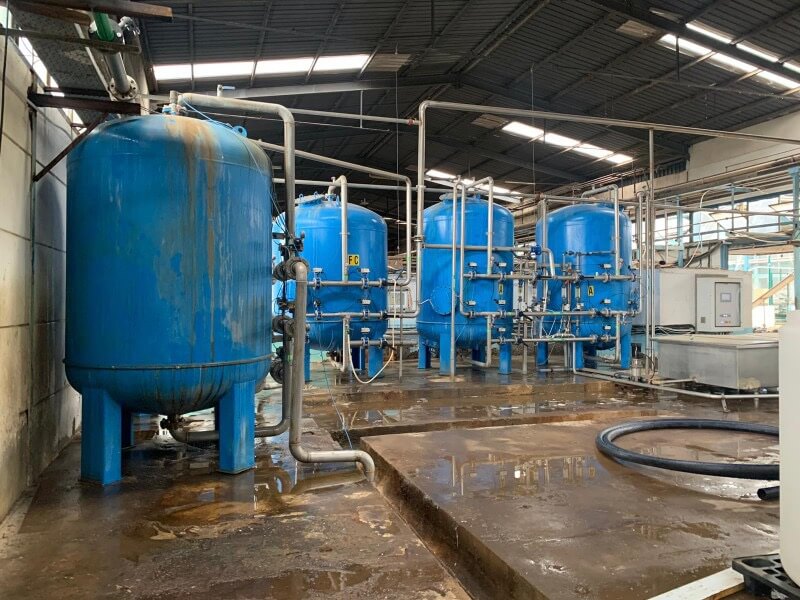
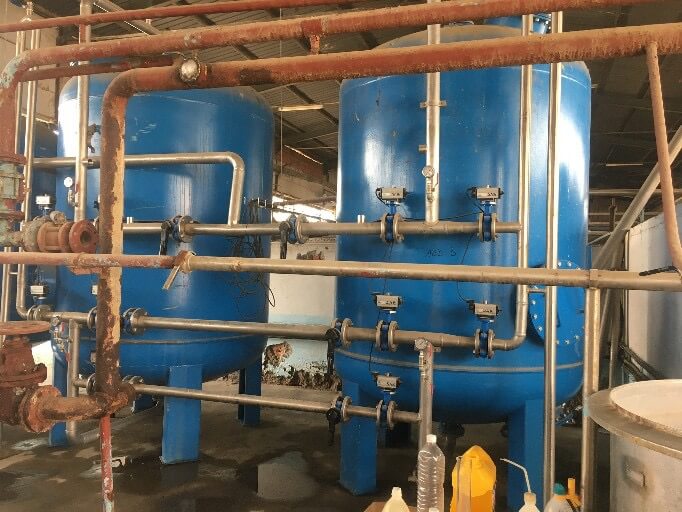
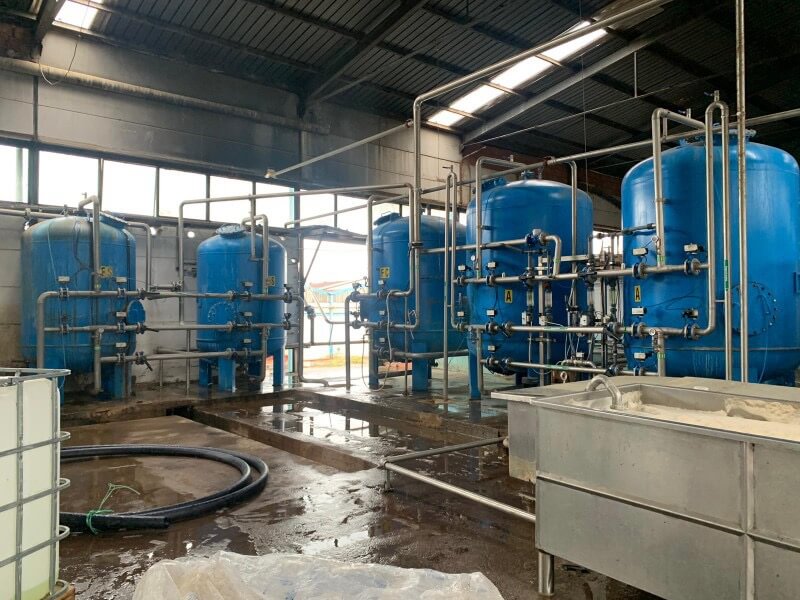
We installed an advanced water softening system to ensure a continuous supply of high-quality process water:
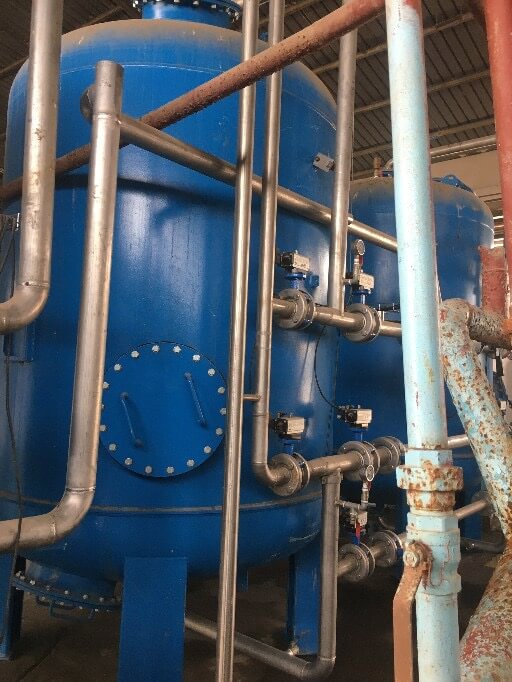
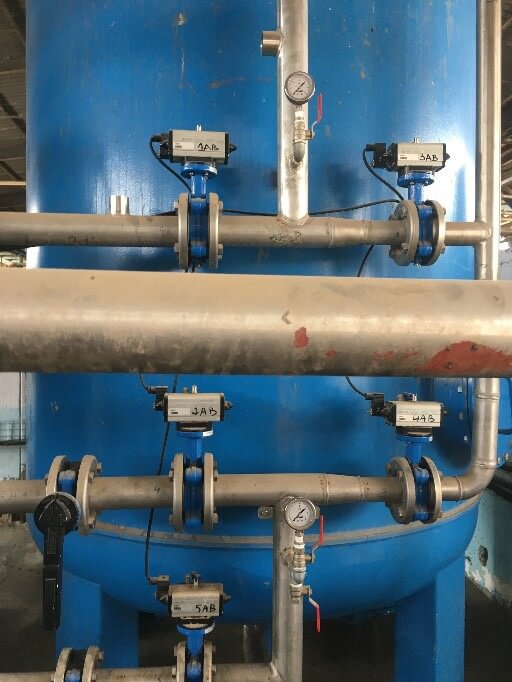
PRX-SOFT 30000 DUPLEX Water Softener
Dual-column system with a flow rate of 30 m³/h, designed for continuous alternating operation.
High-Capacity Cation Exchange Resins
For complete hardness removal and full protection of the boilers.
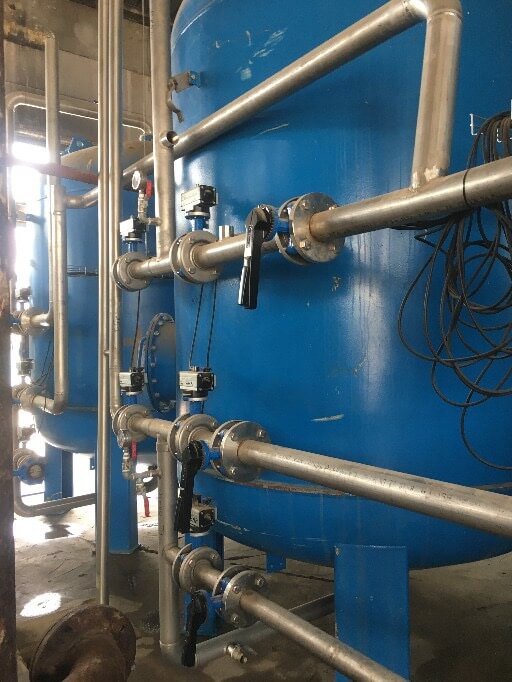
Volumetric Automation
Valves controlled by an industrial PLC for precise regeneration cycles based on actual water consumption.
Brine Optimization
Intelligent regeneration system designed to minimize salt consumption and rinse water usage.
Client
Group Lait / Giplait Spa
Location
Boudouaou (Algeria)
Industry
Dairy
Final capacity
30 m³/h
Technology
Duplex ion-exchange water softening
Mains Water
Hard water, rich in calcium and magnesium, is conveyed to the treatment system.
Ion Exchange
The cation exchange resins remove hardness-causing minerals, delivering softened water to the boiler plant.
Automatic Regeneration
While one column is in operation, the other is automatically regenerated with brine, ensuring a continuous steam supply.
Clean Steam
The softened water feeds the boilers without causing scale deposits, optimizing heat transfer.

Results and economic impact
-15% energy consumption
Achieved by restoring maximum heat exchange efficiency in the boilers.
-30% maintenance costs
Elimination of chemical descaling operations and piping replacement.
24/7 reliability
Full continuity of pasteurization and cheese production cycles without technical downtime.
Asset protection
Significant increase in the service life of the boilers and the entire steam distribution network.

Discover Your Potential Savings
Request a technical site survey and find out how much you can reduce costs, consumption and operational risks